
Top-Rated Products For Bathtub Installations To Simplify Your Project
Browse essential tools and accessories designed to streamline your bathtub installation from start to finish.
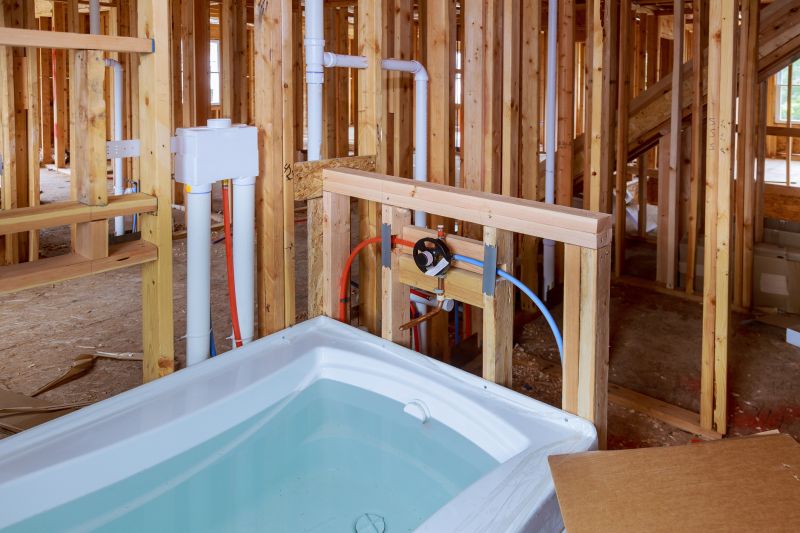 Installing a bathtub involves selecting the right products to ensure safety, durability, and ease of use. From the initial planning stages to the final touches, choosing appropriate components can influence the overall functionality and aesthetic of the bathroom. Whether renovating an existing space or designing a new bathroom, understanding the various products involved in bathtub installation is essential for a successful project.
Top Overall Option
Universal Bathtub Installation Kit
A comprehensive installation kit that includes essential components such as mounting brackets, waterproofing membranes, and plumbing connectors. Designed for versatility and ease of use, it offers a streamlined approach for both DIY enthusiasts and professionals. The kit emphasizes durability and compatibility with various bathtub styles and sizes, making it a reliable choice for many installation projects.
Types of Products For Bathtub Installations
Bathtub
The primary component, available in various materials such as acrylic, cast iron, or fiberglass to suit different preferences and budgets.
Mounting Brackets
Support structures that secure the bathtub to the wall or floor, ensuring stability during use.
Drain Assemblies
Components that facilitate water drainage, available in different configurations to match plumbing setups.
Faucet and Shower Fixtures
Water delivery fixtures that can be wall-mounted or deck-mounted, offering various styles and functionalities.
Waterproofing Membranes
Materials used to seal the area around the bathtub to prevent water infiltration and damage.
Support Pads
Padding materials that provide additional stability and protect the bathtub base.
Silicone Sealants
Flexible sealants used to waterproof joints and edges around the bathtub.
Piping and Fittings
Essential plumbing components for connecting the bathtub to water supply lines.
Access Panels
Panels that allow easy access to plumbing connections for maintenance or repairs.
Leveling Feet
Adjustable supports that help ensure the bathtub is perfectly level during installation.
Wall Surrounds
Panels or tiling systems that provide a finished look and additional waterproofing around the bathtub.
Tub Shims
Thin wedges used to fine-tune the positioning and leveling of the bathtub.
Support Beams
Structural elements that reinforce the bathtub's stability, especially in retrofit installations.
Flexible Connectors
Hoses or fittings that accommodate movement and expansion in plumbing connections.
Drain Covers
Decorative or functional covers that prevent debris from clogging the drain.
Popular Choices
Lightweight and available in various shapes and sizes, suitable for many bathroom styles.
Heavy-duty and durable, often chosen for their classic appearance and heat retention.
Affordable and easy to install, with a smooth surface that resists stains.
Space-saving fixtures that can be positioned at various heights for convenience.
Versatile and stylish, often used as a focal point in modern bathroom designs.
Designed to maximize space, fitting into corner areas for efficient use of bathroom floor space.
Optional features that add massage capabilities to certain bathtub models.
Functional enclosures that prevent water spillage and enhance accessibility.
Pre-finished panels that provide waterproofing and aesthetic appeal around the tub area.
Safety accessories that reduce the risk of slipping during bath use.
Flexible fixtures that allow customization of water flow height and direction.
Safety features that prevent overfilling and water damage.
Devices that monitor and alert when water reaches unsafe levels.
Accessories that hold bath essentials like soap, shampoo, and books.
Comfort-enhancing accessories for a relaxing bathing experience.
Fixtures that help maintain consistent water temperature during filling.
A typical bathtub installation requires several key products, including the bathtub itself, mounting hardware, plumbing fixtures, waterproofing materials, and finishing accessories. Each component must be carefully selected to match the space, style preferences, and plumbing requirements. Proper installation not only enhances the visual appeal but also ensures safety and longevity, preventing issues such as leaks or structural damage over time.
When considering products for bathtub installations, it's important to evaluate compatibility with existing plumbing systems, material quality, and ease of installation. Many products are designed to be user-friendly for DIY enthusiasts, while others may require professional installation. Investing in high-quality, well-designed products can contribute to a more seamless installation process and a satisfying end result. Remember that proper sealing and waterproofing are vital to prevent water damage and mold growth.
In Washington, IL, homeowners and contractors alike focus on selecting reliable products that withstand local climate conditions and usage patterns. Whether updating an old bathtub or installing a new one, paying attention to product specifications and reviews can help in making informed choices. Overall, a thoughtful selection of products tailored to your specific needs can lead to a more functional and attractive bathroom space.
Key Buying Considerations
- Compatibility with existing plumbing and space constraints.
- Material durability and maintenance requirements.
- Ease of installation, especially for DIY projects.
- Waterproofing features to prevent leaks and damage.
- Availability of replacement parts and accessories.
- Design style and how it complements the bathroom decor.
- Safety features such as anti-slip surfaces and grab bars.
- Weight of the bathtub, particularly for retrofit installations.
- Cost and overall value considering longevity and features.
- Local building codes and regulations compliance.
- Availability of warranty or customer support.
- Ease of cleaning and resistance to stains or mold.
- Energy efficiency of water heating and fixtures.
- Accessibility features if needed for specific users.
- Environmental considerations, if applicable, such as insulation or insulation options.